How to Build Self-Discipline: 12 Practical Techniques for Long-Term Success
Self-discipline is not willpower, motivation, or personality. It is a trainable system of behaviors that determines whether you follow through when motivation fades. In the U.S., long-term success—career, health, finances—correlates more strongly with consistent self-discipline than talent or intelligence.
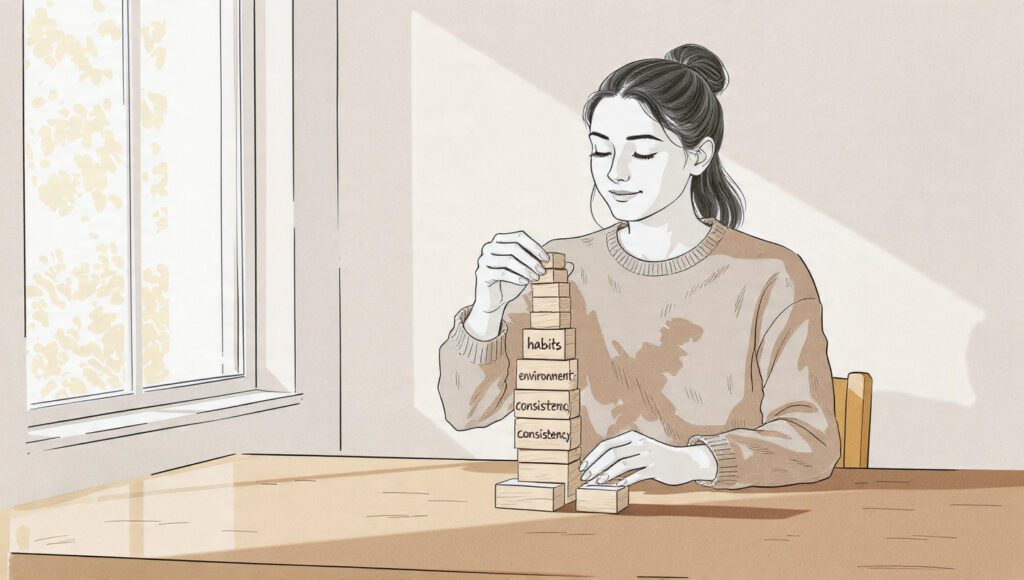
This guide explains 12 practical techniques to build self-discipline, why each works psychologically, and how to apply them for long-term success, not short bursts of effort.
Key Takeaways (Quick Scan)
- Self-discipline is built through systems, not motivation
- Small controls beat extreme effort
- Environment matters more than mindset
- Long-term success depends on consistency, not intensity
How Self-Discipline Actually Works
Self-discipline is the ability to act in alignment with long-term goals despite short-term discomfort.
Cause → Effect → Outcome Chain
Structured behavior → reduced decision friction → consistent follow-through
| Factor | Effect on Discipline |
|---|---|
| Environment | High impact |
| Habits | High impact |
| Motivation | Low impact |
The 12 Practical Techniques for Building Self-Discipline
1. Reduce Choices, Not Freedom
Decision fatigue kills discipline.
- Pre-plan meals, workouts, schedules
- Limit daily decisions
Outcome:
Fewer decisions → less resistance → more consistency
2. Use Commitment Devices
A commitment device creates consequences for quitting.
Examples:
- Financial penalties
- Accountability partners
- Public commitments
| Commitment Type | Discipline Strength |
|---|---|
| Internal | Weak |
| External | Strong |
3. Design Your Environment for Success
Willpower fails in bad environments.
- Remove distractions
- Place tools where actions occur
Cause → Effect → Outcome
Better environment → fewer temptations → higher follow-through
4. Set Identity-Based Goals
Behavior sticks when tied to identity.
Instead of:
- “I want to work out”
Use:
- “I am someone who trains consistently”
| Goal Type | Sustainability |
|---|---|
| Outcome-based | Low |
| Identity-based | High |
5. Use the “Minimum Viable Effort” Rule
Consistency beats intensity.
- 5 minutes counts
- Small wins compound
Outcome:
Low barrier → daily action → long-term success
6. Track Behavior, Not Results
Results lag. Behavior is immediate.
Track:
- Days practiced
- Actions completed
| What You Track | Discipline Impact |
|---|---|
| Results | Discouraging |
| Behaviors | Motivating |
7. Delay Gratification Intentionally
Self-discipline grows when you practice waiting.
Examples:
- Delay snacks
- Delay entertainment
Cause → Effect → Outcome
Delayed reward → impulse control → resilience
8. Attach Habits to Existing Routines
Habit stacking removes friction.
Example:
- After brushing teeth → stretch
- After coffee → plan day
| Habit Trigger | Success Rate |
|---|---|
| Random | Low |
| Attached | High |
9. Use Time Blocking, Not To-Do Lists
Time blocks create commitment.
- Schedule tasks on calendar
- Protect the block
Outcome:
Scheduled time → execution → fewer excuses
10. Build Recovery into Discipline
Burnout destroys discipline.
Include:
- Rest days
- Deload weeks
- Mental breaks
| Discipline Style | Longevity |
|---|---|
| Relentless | Short |
| Sustainable | Long |
11. Expect Failure—Plan for It
Failure without planning leads to quitting.
Plan:
- Missed days
- Low-energy weeks
Cause → Effect → Outcome
Planned recovery → reduced guilt → persistence
12. Review and Adjust Monthly
Discipline systems need tuning.
Monthly check:
- What worked?
- What broke?
- What needs simplification?
| Review Frequency | Effectiveness |
|---|---|
| None | Decline |
| Monthly | Stability |
What Self-Discipline Is NOT
- Not motivation
- Not punishment
- Not perfection
| Myth | Reality |
|---|---|
| “I lack discipline” | You lack systems |
| “I’ll start tomorrow” | Systems start now |
How These Techniques Create Long-Term Success
Long-Term Success Formula
Consistent systems → predictable behavior → compounding results
- Health improves steadily
- Skills compound
- Trust in yourself grows
Conclusion
Self-discipline is not something you’re born with—it’s something you build deliberately. By applying these 12 practical techniques, you remove reliance on motivation and replace it with systems that support long-term success.
The most disciplined people aren’t the toughest—they’re the most structured. When systems do the heavy lifting, success becomes repeatable.