Why Car Technology Ages Faster Than Mechanical Parts
Modern cars often feel outdated long before they wear out mechanically. A vehicle can run smoothly at 150,000 miles while its infotainment system feels slow, its driver-assist features feel primitive, and its software feels unsupported. This raises a clear question: why does car technology age faster than mechanical parts?
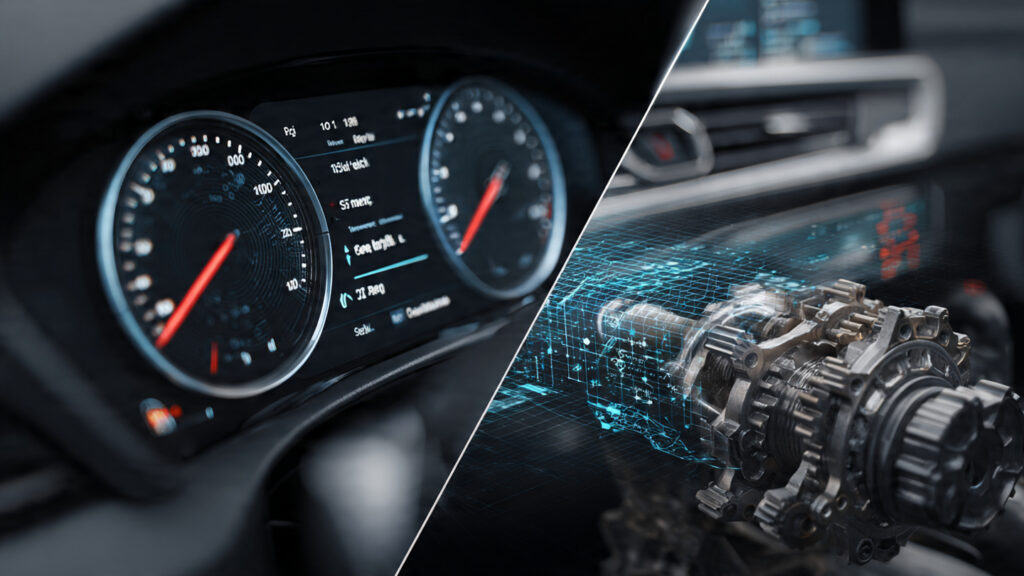
The answer comes down to development cycles, software dependency, consumer electronics expectations, and repair economics. This article explains exactly why automotive technology becomes obsolete faster, how that differs from mechanical aging, and what it means for U.S. car owners.
Mechanical Parts and Technology Age on Different Timelines
Mechanical components and digital systems are engineered for very different lifespans.
| Component Type | Typical Useful Life |
|---|---|
| Engine | 200,000–300,000 miles |
| Transmission | 150,000–250,000 miles |
| Suspension components | 100,000–150,000 miles |
| Infotainment system | 5–8 years |
| Driver-assist cameras & sensors | 6–10 years |
| Embedded vehicle software | 3–6 years |
Cause → Effect → Outcome
Slow mechanical evolution → long service life
Rapid technology evolution → early obsolescence
Mechanical parts are designed to survive stress. Technology is designed to evolve.
Car Design Cycles Are Slower Than Technology Cycles
Automakers design vehicles on 7–10 year product cycles. Technology evolves annually.
What happens in practice
- Processors are selected years before launch
- Screen resolutions are outdated at release
- Software platforms freeze long before buyers touch them
By the time a car reaches U.S. dealerships:
- Its hardware is already behind consumer tech
- Its user interface lags modern standards
Outcome:
Car technology feels old even when the vehicle is new.
Software Dependency Accelerates Aging
Modern car features depend heavily on software, not just hardware.
Why software ages fast
- Operating systems evolve quickly
- Security standards change
- Smartphone platforms update annually
- Automaker software support ends early
Common real-world failures
- Navigation maps stop updating
- Voice commands become unreliable
- Phone integration breaks after OS updates
- Apps disappear or stop functioning
Cause → Effect → Outcome
Software support ends → features degrade → vehicle feels obsolete despite running well
Infotainment Systems Are Locked and Hard to Upgrade
Unlike phones or computers, car infotainment systems are physically integrated.
| Device | Upgrade Flexibility |
|---|---|
| Smartphone | Very high |
| Laptop | Moderate |
| Car infotainment system | Extremely low |
Why upgrades are rare
- Screens are molded into dashboards
- Systems are tied to vehicle electronics
- Replacement costs are high
- Aftermarket access is restricted
Mechanical parts can be replaced individually. Technology usually cannot.
Sensors and Cameras Become Outdated Without Breaking
Many advanced systems still work—but feel inferior.
Examples of “functional but outdated” tech
- Low-resolution backup cameras
- Early blind-spot monitoring systems
- First-generation adaptive cruise control
- Basic lane-keeping assistance
These systems don’t fail mechanically. They fail comparatively.
Outcome:
Drivers perceive the tech as bad, even when it’s technically operational.
Repair Economics Favor Mechanical Parts
Mechanical repairs are usually cheaper and standardized. Tech repairs are not.
| Repair Type | Typical Cost (USA) |
|---|---|
| Brake replacement | $300–$700 |
| Suspension repair | $800–$1,500 |
| Engine sensor | $250–$600 |
| Infotainment system replacement | $2,000–$5,000 |
| ADAS recalibration | $1,000–$3,000 |
Cause → Effect → Outcome
High tech repair cost → owner avoids repair → vehicle replaced early
Cars are often retired because technology fails—not because the drivetrain does.
Regulations Push Technology Faster Than Durability
Safety and emissions rules force rapid adoption of new systems.
Examples
- Backup cameras
- Driver-assist monitoring
- Emissions control software
- Connectivity requirements
These systems are often introduced quickly to meet regulations, leaving less time for long-term refinement.
Mechanical components are refined over decades. Technology is pushed in years.
Mechanical Parts Benefit From Maturity
Engines and transmissions change slowly because:
- Core designs are proven
- Materials evolve incrementally
- Failures are expensive
- Durability testing is extensive
| Factor | Mechanical Parts | Technology |
|---|---|---|
| Design maturity | High | Low |
| Update frequency | Rare | Frequent |
| Obsolescence risk | Low | High |
| Failure tolerance | Very low | Moderate |
This stability is why mechanical parts routinely outlast electronics.
Consumer Expectations Make Technology Feel Older Faster
Technology ages psychologically as much as technically.
Modern expectations
- Instant response
- High-resolution displays
- Seamless phone integration
- Frequent updates
When expectations rise, yesterday’s tech feels unacceptable—even if it still works.
Outcome:
Perceived aging accelerates replacement decisions.
How This Affects Long-Term Ownership
Technology aging changes how long people keep cars.
Real-world consequences
- Lower resale values
- Costly electronic failures
- Reduced feature usability
- Earlier vehicle replacement
Many U.S. vehicles are replaced because tech feels obsolete—not because they’re unreliable.
How Buyers Can Reduce Technology Aging Risk
Practical strategies help extend ownership life.
Smarter choices
- Choose simpler infotainment systems
- Avoid first-generation technology
- Prioritize mechanical reliability
- Favor phone-based features over embedded apps
- Keep vehicles longer to offset tech depreciation
Cause → Effect → Outcome
Simpler tech → fewer failures → longer usable life
Key Takeaways
- Car technology ages faster because it follows consumer electronics cycles
- Software support ends long before mechanical failure
- Infotainment systems are difficult and costly to upgrade
- Repair economics favor mechanical parts
- Perception accelerates tech obsolescence
Conclusion
Car technology ages faster than mechanical parts because it evolves faster, relies on software support, and follows consumer electronics timelines rather than automotive durability standards. Engines and transmissions are built for decades of use. Screens, sensors, and software are not.
Understanding this gap helps U.S. drivers make better decisions about features, ownership timelines, and long-term value.