Why Modern Products Break Faster Than Older Ones
Many Americans notice the same pattern across appliances, electronics, tools, and even vehicles: modern products fail sooner than older ones did. Refrigerators from the 1990s ran for decades. Smartphones struggle to last five years. Washing machines need repairs long before their predecessors.
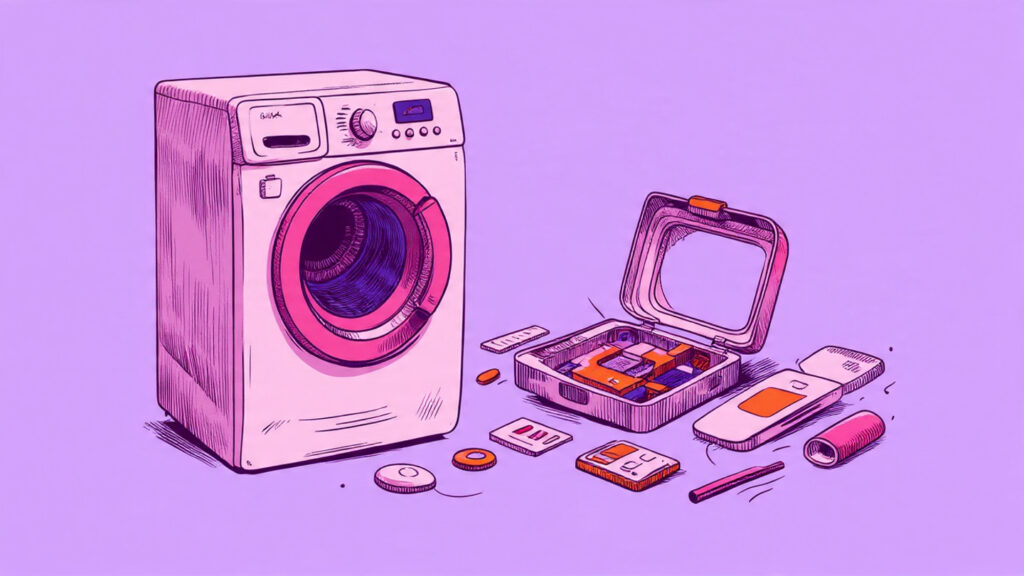
This article explains why modern products break faster than older ones, focusing on concrete causes—design choices, materials, manufacturing incentives, repair limitations, and business models. Every section directly supports the title and explains how and why durability declined.
Durability vs. Efficiency: The Core Trade-Off
Older products were built for durability first. Modern products prioritize efficiency, cost, and features.
| Design Priority | Older Products | Modern Products |
|---|---|---|
| Lifespan | Long | Shorter |
| Efficiency | Lower | Higher |
| Complexity | Low | High |
| Repairability | High | Low |
Cause → Effect → Outcome
Efficiency + complexity → more failure points → shorter lifespan
Modern products do more—but that makes them fail sooner.
Increased Complexity Creates More Failure Points
Modern products rely on layered systems.
Added complexity includes
- Circuit boards
- Sensors
- Software controls
- Lightweight materials
| Product Era | Primary Failure Cause |
|---|---|
| Older | Mechanical wear |
| Modern | Electronic failure |
A mechanical switch could last decades. A control board may fail in a few years.
Outcome:
More components mean more things that can break.
Lightweight Materials Sacrifice Longevity
Modern manufacturing reduces weight and material cost.
Common material shifts
- Metal → plastic
- Thick components → thin composites
- Modular frames → integrated shells
| Material Choice | Durability |
|---|---|
| Cast metal | Very high |
| Reinforced plastic | Moderate |
| Thin composite | Lower |
Cause → Effect → Outcome
Lighter materials → lower cost → reduced structural lifespan
Products break sooner under normal use, not abuse.
Electronics Replaced Simple Mechanical Systems
Electronics are sensitive to heat, moisture, and voltage fluctuations.
Typical electronic failure triggers
- Heat buildup
- Power surges
- Moisture exposure
- Software glitches
| System Type | Average Longevity |
|---|---|
| Mechanical | Long |
| Electronic | Shorter |
Older products tolerated variation. Modern electronics demand perfect conditions.
Planned Lifespan Replaced Lifetime Design
Manufacturers now design around expected replacement cycles.
Typical modern assumptions
- Phones: 2–4 years
- Appliances: 7–10 years
- Consumer electronics: 3–6 years
| Era | Design Goal |
|---|---|
| Past | Maximum lifespan |
| Present | Acceptable lifespan |
Outcome:
Products meet warranty expectations—but not long-term durability.
Repairability Was Designed Out
Older products were built to be fixed. Modern products are not.
Repair barriers today
- Sealed components
- Proprietary parts
- Software locks
- Non-modular construction
| Repair Factor | Older Products | Modern Products |
|---|---|---|
| Parts access | Easy | Restricted |
| Tools needed | Basic | Specialized |
| Cost to repair | Low | High |
Cause → Effect → Outcome
Harder repairs → fewer repairs → faster replacement
Software Dependence Accelerates Obsolescence
Many modern products stop working due to software, not hardware.
Software-related failure modes
- Unsupported updates
- App incompatibility
- Feature deactivation
- Cloud dependency loss
| Product State | Result |
|---|---|
| Hardware intact | Still unusable |
| Software unsupported | Product “dead” |
Older products did not depend on external software to function.
Manufacturing Speed Reduces Quality Margins
Modern production emphasizes speed and scale.
Quality trade-offs
- Shorter testing cycles
- Narrower tolerance margins
- Globalized supply chains
| Production Focus | Impact |
|---|---|
| Speed | Lower durability margin |
| Cost reduction | Thinner components |
Outcome:
Products pass quality checks but fail earlier in real-world use.
Consumer Expectations Changed Durability Incentives
Consumers now prioritize:
- Features
- Design
- Price
- Availability
Over:
- Longevity
- Repairability
- Service life
| Buying Priority | Effect |
|---|---|
| Low upfront cost | Lower build quality |
| Feature density | Higher failure risk |
Manufacturers respond to demand—not nostalgia.
Older Products Were Overbuilt by Modern Standards
Older designs included excess capacity.
Examples
- Motors sized above requirements
- Thick wiring
- Heavy frames
| Design Margin | Result |
|---|---|
| Overbuilt | Long life |
| Optimized | Shorter life |
Cause → Effect → Outcome
Overengineering → durability
Optimization → fragility
Economic Incentives Favor Replacement Over Repair
Modern markets reward replacement cycles.
Manufacturer incentives
- Repeat sales
- Subscription ecosystems
- Feature upgrades
Consumer outcome
- Higher lifetime spending
- Less control
- More waste
Outcome:
Products break faster because replacement is the business model.
Key Takeaways
- Modern products break faster due to complexity and material changes
- Electronics and software increase failure risk
- Repairability was intentionally reduced
- Design shifted from lifetime durability to planned lifespan
- Consumer demand and business incentives reinforce shorter lifespans
Conclusion
Modern products break faster than older ones because they are designed for efficiency, cost, and features—not maximum durability. In the United States, products are optimized to meet expected replacement cycles rather than to last indefinitely. Electronics replaced mechanics, lightweight materials replaced heavy construction, and repairability gave way to replacement economics.
Products didn’t become worse by accident—they became optimized for a different definition of success. Understanding that shift explains why durability feels like a thing of the past.