Common Plumbing Problems and DIY Fixes: When to Call a Professional
Plumbing issues are among the most frequent home problems in the USA. While some common plumbing problems are safe to fix yourself, others require a licensed professional to avoid property damage, health risks, or code violations. This guide clearly explains which plumbing problems you can fix yourself, how to handle them, and exactly when to call a professional plumber—so you don’t waste money or make costly mistakes.
Key Takeaways
- Many minor plumbing problems have safe DIY fixes
- Some issues look small but indicate serious system failures
- Knowing the limits of DIY plumbing prevents expensive damage
- Recurring or hidden leaks almost always require a professional
- Acting early reduces repair costs and water damage
Dripping Faucets and Running Fixtures
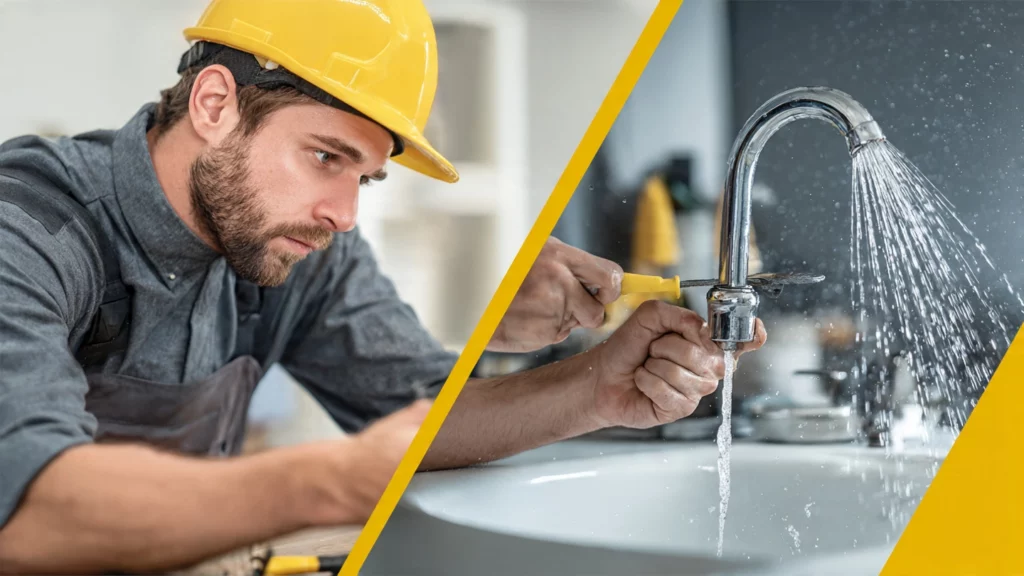
A dripping faucet is one of the most common plumbing problems and usually the easiest DIY fix.
DIY Fix Options
- Replace worn washers or O-rings
- Tighten loose handles or fittings
- Clean mineral buildup from internal parts
When DIY Works
- Drip is slow and consistent
- Faucet is easily accessible
- No corrosion on valve body
When to Call a Professional
- Faucet leaks from base or behind wall
- Water pressure fluctuates after repair
- Corroded or seized valve components
Cause → effect → outcome:
Worn seals → constant dripping → water waste → higher bills and fixture damage.
Clogged Drains and Slow Drainage
Clogged drains are common and often safe for DIY treatment if addressed early.
DIY Fix Options
- Plunging
- Baking soda and vinegar
- Drain snaking (manual auger)
When DIY Works
- Single drain affected
- Water drains slowly but eventually clears
- No sewer odors
When to Call a Professional
- Multiple drains clog simultaneously
- Standing water remains after snaking
- Gurgling sounds from other fixtures
| Symptom | Likely Issue | Action |
|---|---|---|
| One slow sink | Local clog | DIY |
| Tub + toilet clog | Main line issue | Professional |
| Sewer smell | Vent or sewer blockage | Professional |
Running or Leaking Toilets
A running toilet can waste hundreds of gallons of water per day.
DIY Fix Options
- Replace flapper
- Adjust float height
- Tighten fill valve
When DIY Works
- Toilet refills continuously
- Leak is inside tank
- Parts are inexpensive and accessible
When to Call a Professional
- Water leaking at toilet base
- Toilet rocks or shifts
- Frequent clogs despite repairs
Why this matters:
Leaks at the base often indicate a failed wax ring, which can cause floor rot and mold.
Low Water Pressure
Low water pressure can be a simple fix—or a warning sign.
DIY Fix Options
- Clean faucet aerators
- Remove mineral buildup from showerheads
- Check shutoff valves are fully open
When DIY Works
- Pressure loss affects one fixture
- Buildup is visible and removable
When to Call a Professional
- Pressure drops throughout the house
- Sudden pressure loss
- Pipes bang or whistle
| Pressure Issue | Possible Cause | DIY or Pro |
|---|---|---|
| Single faucet | Clogged aerator | DIY |
| Whole house | Pipe leak or corrosion | Professional |
Leaking Pipes
Pipe leaks range from minor drips to serious emergencies.
DIY Fix Options (Temporary Only)
- Tighten threaded joints
- Apply pipe tape or repair clamps
When DIY Works
- Leak is small and visible
- Pipe is not corroded
- Temporary repair until replacement
When to Call a Professional
- Hidden leaks behind walls
- Corroded or burst pipes
- Water stains on ceilings or floors
Cause → effect → outcome:
Undetected leak → moisture buildup → structural damage → mold growth.
Water Heater Issues
Water heater problems often start small but escalate quickly.
DIY Fix Options
- Adjust temperature settings
- Relight pilot light (gas units)
- Flush sediment (if experienced)
When DIY Works
- No hot water due to settings
- Pilot light recently extinguished
When to Call a Professional
- Leaking tank
- Rusty or discolored hot water
- Rumbling or popping noises
| Symptom | Likely Problem | Action |
|---|---|---|
| Lukewarm water | Sediment buildup | Professional |
| Pooling water | Tank failure | Immediate professional |
Frozen Pipes
Frozen pipes are common in colder U.S. regions.
DIY Fix Options
- Apply gentle heat (hair dryer)
- Open nearby faucets
- Insulate exposed pipes
When DIY Works
- Pipe is accessible
- No visible cracks
When to Call a Professional
- Pipe bursts
- Water damage appears
- Pipes freeze repeatedly
Frozen pipes often burst after thawing—monitor closely.
How to Know You’ve Reached the DIY Limit
Stop DIY Repairs If:
- Problems recur within weeks
- Multiple fixtures are affected
- Repairs require cutting walls or floors
- You don’t know the source of the issue
Attempting advanced plumbing without proper tools can violate building codes and void insurance claims.
Frequently Asked Questions
Is DIY plumbing safe for homeowners?
Yes, for minor issues that don’t involve structural or pressurized systems.
Can small leaks wait?
No. Even slow leaks cause long-term damage.
Why do plumbing problems keep coming back?
Recurring issues often signal hidden pipe damage or improper slope.
Is calling a plumber always expensive?
Early intervention usually costs less than emergency repairs.
What plumbing work requires a license?
Main line repairs, gas lines, and structural pipe replacements typically require licensed professionals.
Action Steps
- Identify the exact plumbing symptom
- Determine if the issue is isolated or widespread
- Attempt DIY fixes only for minor, visible problems
- Monitor results for 24–48 hours
- Call a professional if symptoms persist or worsen
Conclusion
Understanding common plumbing problems and DIY fixes helps homeowners save money—but knowing when to call a professional protects your home from serious damage. Minor issues like dripping faucets or slow drains are often safe DIY projects, while leaks, pressure problems, and recurring clogs demand expert attention. The smartest approach balances confidence with caution.