High Blood Pressure Management: Medications, Diet, and Monitoring Guide
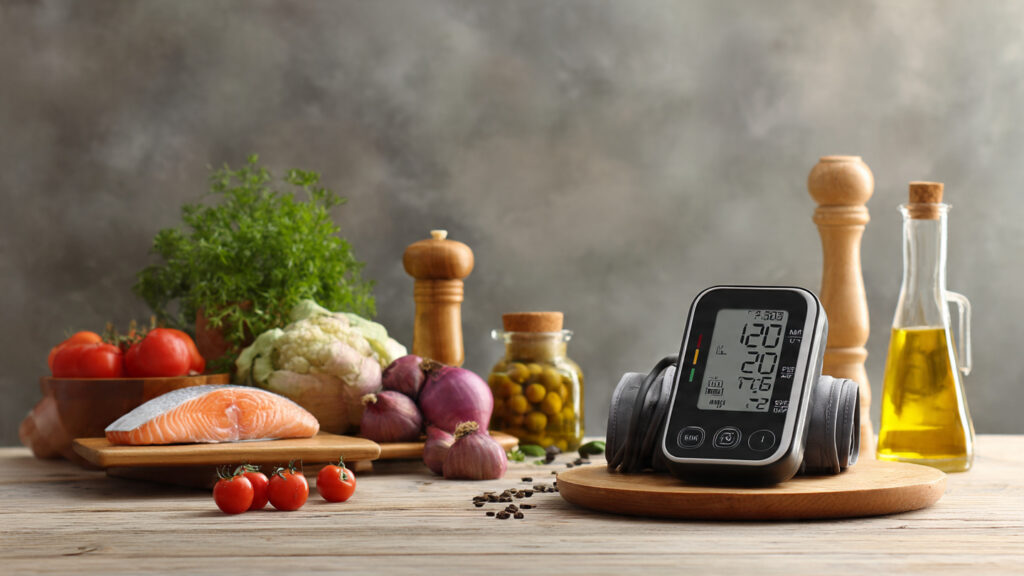
High blood pressure (hypertension) is a long-term condition that increases the risk of heart disease, stroke, kidney damage, and vision loss. Effective high blood pressure management requires three pillars working together: medications, dietary changes, and regular monitoring. This guide explains exactly how each pillar works, when it’s needed, and how to apply it in daily life.
Key Takeaways
- Blood pressure control usually requires multiple strategies, not one fix
- Medications target different causes of high blood pressure
- Diet changes can lower systolic pressure by 10–20 mmHg
- Home blood pressure monitoring improves long-term control
- Consistency matters more than short-term intensity
Understanding High Blood Pressure
High blood pressure occurs when the force of blood against artery walls remains elevated over time.
Cause → effect → outcome
Narrow or stiff arteries → increased pressure → organ damage over years
Blood Pressure Categories (USA)
| Category | Systolic | Diastolic |
|---|---|---|
| Normal | <120 | <80 |
| Elevated | 120–129 | <80 |
| Stage 1 Hypertension | 130–139 | 80–89 |
| Stage 2 Hypertension | ≥140 | ≥90 |
Most treatment decisions are based on stage and overall risk, not a single reading.
Medications for High Blood Pressure Management
Blood pressure medications work by targeting different physiological pathways.
Common Blood Pressure Medications
| Medication Class | Examples | How They Work |
|---|---|---|
| ACE inhibitors | Lisinopril | Relax blood vessels |
| ARBs | Losartan | Block vessel-tightening hormones |
| Calcium channel blockers | Amlodipine | Relax artery muscles |
| Diuretics | Hydrochlorothiazide | Remove excess fluid |
| Beta blockers | Metoprolol | Reduce heart workload |
Many people need two or more medications to reach target blood pressure safely.
When Medication Is Usually Needed
- Persistent readings ≥130/80
- Existing heart disease or diabetes
- Kidney disease or high stroke risk
Dietary Changes That Lower Blood Pressure
Diet can significantly reduce blood pressure, sometimes as much as medication.
DASH Diet Foods (Proven for Hypertension)
| Food Group | Examples | Blood Pressure Effect |
|---|---|---|
| Fruits & vegetables | Leafy greens, berries | Lower systolic BP |
| Whole grains | Oats, brown rice | Improve vascular health |
| Low-fat dairy | Yogurt, milk | Calcium support |
| Lean proteins | Fish, beans | Reduced sodium load |
| Healthy fats | Olive oil, nuts | Improve artery function |
Foods to Limit or Avoid
| Food Type | Examples | Why They Raise BP |
|---|---|---|
| High sodium foods | Processed meals | Fluid retention |
| Sugary drinks | Soda, sweet tea | Vascular stress |
| Excess alcohol | Beer, liquor | Raises BP |
| Processed meats | Bacon, sausage | Sodium + saturated fat |
Sodium reduction alone can lower systolic pressure by 5–10 mmHg.
Lifestyle Changes That Support Blood Pressure Control
Diet and medication are most effective when paired with lifestyle habits.
Lifestyle Impact on Blood Pressure
| Change | Typical BP Reduction |
|---|---|
| Weight loss (5–10%) | 5–15 mmHg |
| Regular exercise | 4–9 mmHg |
| Limiting alcohol | 2–4 mmHg |
| Stress management | Variable but meaningful |
Best Exercises for Hypertension
- Brisk walking
- Cycling
- Swimming
- Resistance training (moderate intensity)
Cause → effect → outcome
Movement → improved artery elasticity → lower resting pressure
How to Monitor Blood Pressure at Home
Home monitoring is one of the most powerful tools for blood pressure control.
How to Measure Blood Pressure Correctly
| Step | What to Do |
|---|---|
| 1 | Sit quietly for 5 minutes |
| 2 | Feet flat, back supported |
| 3 | Arm at heart level |
| 4 | Take 2 readings |
| 5 | Record results |
Monitoring Frequency
- Daily during medication changes
- 2–3 times per week for maintenance
Home readings often reflect true blood pressure better than clinic visits.
Common High Blood Pressure Mistakes to Avoid
- Skipping medication when readings improve
- Measuring BP incorrectly
- Assuming diet alone is enough in advanced stages
- Ignoring stress and sleep quality
Hypertension is a long-term condition, not a short-term fix.
Frequently Asked Questions
Can high blood pressure be controlled without medication?
Sometimes, especially in early stages—but many people need medication.
Is one high reading a diagnosis?
No. Diagnosis requires multiple readings over time.
Are home monitors accurate?
Yes, if properly used and validated.
Does coffee raise blood pressure permanently?
Usually only temporarily for most people.
How often should BP be checked by a doctor?
At least once per year, or more often if elevated.
Action Steps
- Confirm your blood pressure category
- Follow a DASH-style eating plan
- Take medications exactly as prescribed
- Monitor blood pressure at home consistently
- Review results with your healthcare provider
Conclusion
Effective high blood pressure management depends on combining medications, dietary changes, and regular monitoring into a single, consistent plan. By addressing blood pressure from multiple angles, many people in the USA can safely reduce readings, lower cardiovascular risk, and protect long-term health.